
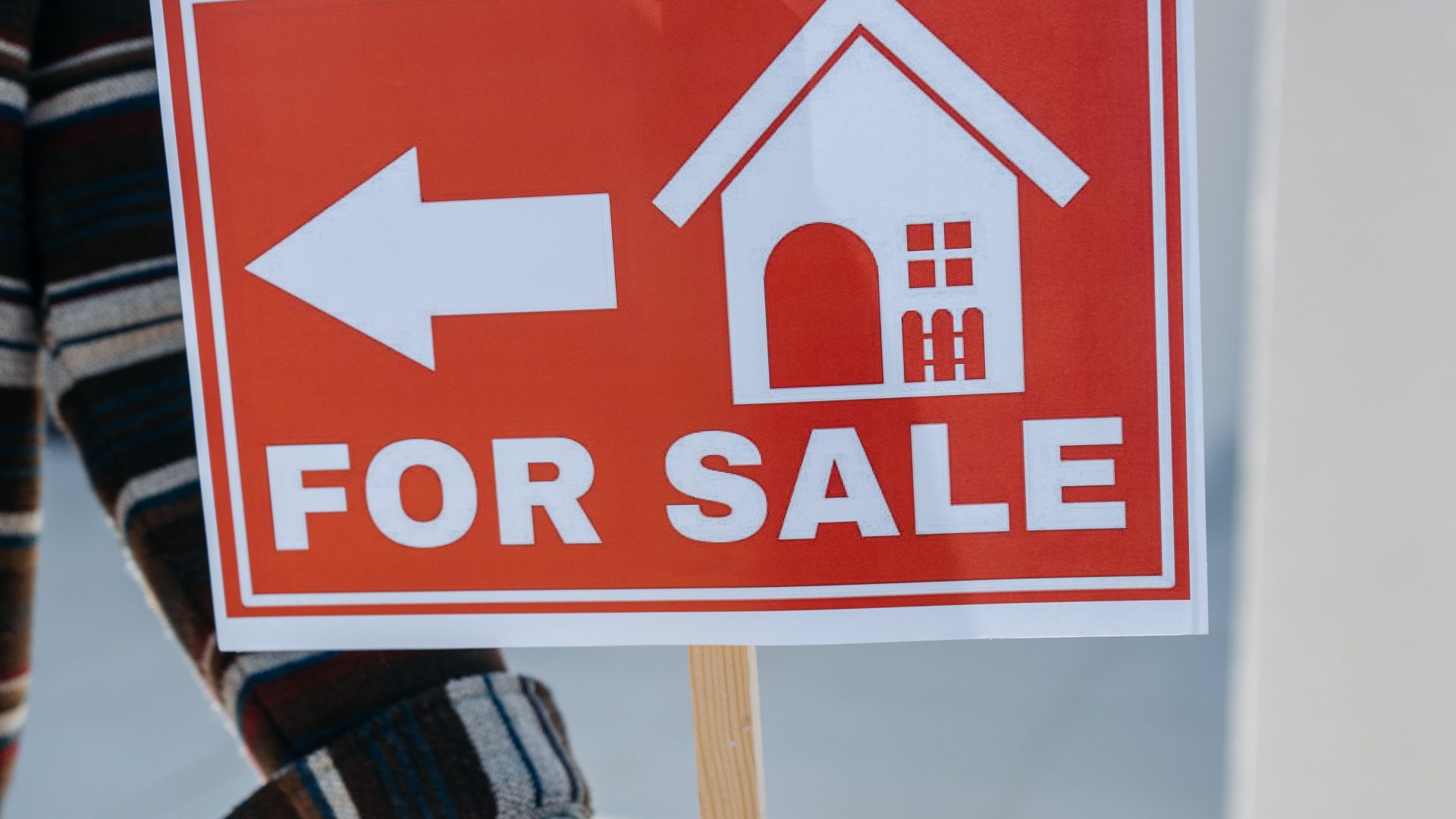
The right route is usually the one that balances your financial position with your personal circumstances
When you are planning to move home, one of the biggest questions is whether to sell your current property before finding the next one. There is no single right answer, as the right approach depends on your finances, the local market, your appetite for risk and how quickly you need to move.
Selling first can give you a clearer budget and a stronger position with sellers. Buying first can give you more control over your next home, but it may also create pressure if your current property takes longer to sell than expected.
Selling first
Selling before you buy can make your position clearer. Once you have accepted an offer, you have a clearer sense of how much equity may be available and what budget you can work with for your onward purchase.
It can also make you more attractive to sellers. If you already have a buyer lined up, your offer may appear stronger than one from someone who has not yet put their property on the market. In a competitive situation, this can make a real difference.
Risks of selling first
The main risk is that you may feel under pressure to find somewhere quickly. Once your buyer is ready to move, you may need to proceed with your own purchase or consider temporary accommodation.
There is also the emotional side to consider. Selling your home before securing the next one can feel unsettling, especially if suitable properties are scarce in your chosen area. You may need to be flexible with timing, location or short-term living arrangements.
Buying first
Buying before selling can be appealing because it lets you focus on finding the right next home. This can be helpful if you are searching in a competitive area or need a specific type of property.
However, buying first can be financially more complicated. You need to know whether you can afford the next purchase before your current home has sold, and whether your mortgage options support that approach.
Risks of buying first
If you agree to buy before selling, you may feel pressured to secure a buyer quickly. This can make pricing and negotiation more stressful, especially if the market is slower than expected.
There may also be affordability issues. Some buyers may need to draw on equity from their current home to fund the next purchase. If that money is not yet available, the move may be harder to arrange without bridging finance, savings or another suitable funding route.
Understanding your market
The local property market can influence which route feels more sensible. If homes like yours are selling quickly and buyer demand is strong, you may feel more comfortable looking for your next property while preparing to sell.
If the market is slower, selling first may reduce uncertainty. It gives you a clearer sense of what your property is worth in practice, rather than relying only on an estimated valuation.
Thinking about your buyer position
Sellers often look beyond the offer amount. They also consider whether the buyer is ready to proceed, whether there is a chain, and how likely the sale is to complete smoothly.
If you have not yet sold, your offer may be perceived as less secure. If you have a buyer or are chain-free, you may have greater negotiating strength and a better chance of being taken seriously.
Planning your mortgage and budget
Before deciding which route to take, it is worth reviewing your mortgage position. Your current balance, expected equity, early repayment charges, borrowing capacity and onward costs can all influence the decision.
A move that looks feasible on paper may feel tighter once estate agent fees, legal costs, removals, surveys, stamp duty and mortgage changes are factored in. A clear budget can help you avoid overcommitting.
Using temporary options
Some sellers choose to sell first and move into rented accommodation, stay with family, or use short-term storage while they search for their next home. This can make them chain-free and more flexible.
However, this route has costs and practical challenges. Rent, storage, additional removals and disruption should all be carefully weighed before deciding whether the flexibility is worth it.
Making the right choice
Whether you sell before buying depends on what matters most to you. If certainty, budget clarity and buyer strength are priorities, selling first may suit you better. If finding the right home matters more than speed, buying first may feel more natural, provided your finances allow it.
The right route is usually the one that balances your financial position with your personal circumstances. Sound advice will help you understand the risks before you commit.
The order in which you move in can affect your budget, negotiating position and stress levels
Before deciding whether to sell first or buy first, it is worth reviewing your market, mortgage position, equity and timescales. Please contact us to discuss your mortgage options.
THIS ARTICLE IS FOR GENERAL INFORMATION ONLY AND DOES NOT CONSTITUTE PROPERTY, FINANCIAL, TAX OR LEGAL ADVICE. SALE OUTCOMES, BUYER DEMAND, MORTGAGE OPTIONS AND MOVING TIMESCALES CAN VARY DEPENDING ON MARKET CONDITIONS, PROPERTY TYPE, CHAIN POSITION AND INDIVIDUAL CIRCUMSTANCES.